1 lb propane tank: about 21,600 BTU divided by burner BTU/hr
How long does a 1 lb propane tank last? About 2.2 hours on a 10,000 BTU/hr burner, using the cylinder’s labeled net fill. This assumes continuous operation at the rated input. Thermostatically controlled heaters cycle on and off, so their elapsed runtime can be longer.

Part of our guide on usable gallons and burn hours for each
Propane Facts
- Standard net propane fill
- 1 lb, or 16 oz
- Usable energy for base math
- about 21,600 BTU
- Energy per ounce
- about 1,350 BTU
- Stove on high
- about 2.2 hours at 10,000 BTU/hr
- Lantern on high
- about 7.7 hours at 2,800 BTU/hr
- Cold-weather planning margin
- plan on 75% of paper hours
- 20 lb cylinder equals
- about 20 one-pound cans
Contents8 sections
- How much propane is in a 1 lb cylinder?
- How long does a 1 lb propane tank last on any appliance?
- How many hours will a stove, grill, heater or lantern get?
- Why does real runtime come in under the math?
- How can you tell a 1 lb cylinder is nearly empty without a gauge?
- Can you refill a 1 lb cylinder, and what do you do with an empty one?
- Key points
- People also ask
How much propane is in a 1 lb cylinder?
A standard disposable 1 lb cylinder contains 1 lb, or 16 oz, of net propane. The cylinder's gross weight includes both that fuel and the steel container. The 1 lb description refers to the net propane fill, not the cylinder's total weight.
Propane contains about 1,350 BTU per ounce. Sixteen ounces therefore provide about 21,600 BTU for the base calculation. A cylinder with a different printed net weight needs its own calculation.
Some cylinders have a nonstandard fill. If your label says 14.1 oz, multiply 14.1 by 1,350 for about 19,035 BTU. Use the manufacturer's label as the source for that fill, rather than assuming every cylinder has it.
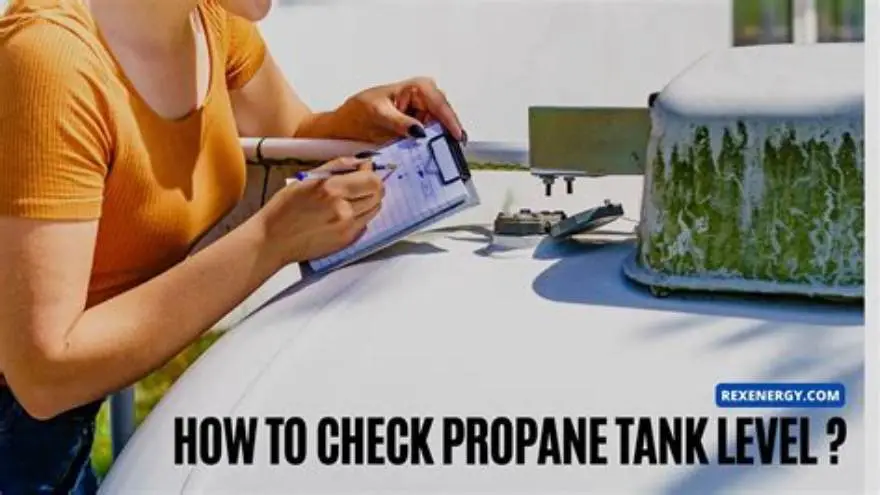
Not every BTU reaches your pot, room, or lantern. Burner efficiency, regulator performance, wind, and leftover fuel affect the useful result. It helps to understand propane tank level before going further.
How long does a 1 lb propane tank last on any appliance?
Use this formula once: hours = 21,600 ÷ the appliance's BTU/hr rating. The result is a paper estimate for a standard 1 lb cylinder at the appliance's stated output. Find the rating on the appliance label or in its manual.
A cylinder marked with another net weight needs a different numerator. Multiply its printed ounces by 1,350 BTU per ounce, then divide by the appliance's BTU/hr rating.
A 10,000 BTU/hr single-burner stove gives this result: It helps to understand does a 20 lb propane tank last before going further.
- Full flame: 21,600 ÷ 10,000 = 2.16 hours, or about 2 hours 10 minutes.
- Low simmer at 3,000 BTU/hr: 21,600 ÷ 3,000 = 7.2 hours.
- Fifteen minutes boiling on high uses 10,000 × 0.25 = 2,500 BTU.
- Thirty minutes simmering uses 3,000 × 0.5 = 1,500 BTU. That breakfast uses 4,000 BTU.
- A full cylinder supplies about 21,600 ÷ 4,000 = 5.4 breakfasts at that pattern.
How many hours will a stove, grill, heater or lantern get?
These examples use stated appliance ratings, not guarantees for every product. Replace the rating with yours when it differs. The figures show base hours before cold-weather planning.
A 9,000 BTU/hr grill runs about 2.4 hours on paper. A 9,000 BTU/hr heater gives the same result, though its safety instructions matter more than its runtime.
A lantern rated at 2,800 BTU/hr runs about 7.7 hours on paper. Low settings can last longer, but the light output also falls. Before you commit to anything, it is worth looking at do propane tanks expire.
| Appliance | High (BTU/hr) | Hours on high | Low (BTU/hr) | Hours on low |
|---|---|---|---|---|
| Single-burner stove | 10,000 | 2.2 | 3,000 | 7.2 |
| Tabletop grill | 9,000 | 2.4 | 4,500 | 4.8 |
| Indoor-rated portable heater | 9,000 | 2.4 | 4,000 | 5.4 |
| Two-mantle lantern | 2,800 | 7.7 | 1,400 | 15.4 |
Why does real runtime come in under the math?
Propane still vaporizes in freezing weather, but cold reduces vapor pressure. A small cylinder can chill as liquid propane boils, especially while a high-output burner runs. The flame may weaken before every bit of fuel reaches the appliance.
Wind also wastes heat around a pot or grill. A burner with a clogged jet or weak regulator can deliver less heat than its rating. The cylinder may last longer by the clock, but each hour produces less useful heat.
Warm a cold cylinder with your hands or a jacket pocket for several minutes. Never warm it with a flame, on a burner, or against another heat source. Stop if the cylinder is damaged, leaking, or badly frosted. There is more on propane tanks only get filled to 80% in a separate guide.
For trip planning, I use 75% of the paper runtime in cold conditions or during demanding high-output use. That is a planning assumption, not a measured constant. Actual results depend on temperature, wind, appliance design, and your cooking pattern.
The 10,000 BTU/hr example becomes about 2.2 × 0.75, or 1.6 planned hours. Treat that margin as spare-fuel planning, not a claim about every cylinder.
How can you tell a 1 lb cylinder is nearly empty without a gauge?
Weight gives the clearest estimate. Weigh a new cylinder on a kitchen scale and write down its gross starting weight. The cylinder is near empty after losing about 16 oz, or the net fill weight printed on its label. If that sounds like your situation, read up on avoiding supplier lock-in next.
The steel container remains part of the reading, so don't expect the scale to show zero. A scale reading to 0.1 oz or 1 g works well for tracking fuel use. A cylinder can still contain a little propane after the flame stops, especially in cold weather.
- Sound: with the cylinder disconnected, tilt it gently. Sloshing suggests liquid remains, but silence does not prove it is empty.
- Flame: a shrinking stove flame, dim lantern, or heater shutdown can signal low pressure. Check for cold conditions and appliance problems too.
- Frost line: a cold band during use can show the liquid level. It is less useful when the burner is off.
- Warm test: warm the cylinder in your hands or a pocket, then test it only with the appliance's normal procedure. Never use an external heat source.
Can you refill a 1 lb cylinder, and what do you do with an empty one?
Don't refill a disposable 1 lb cylinder. Standard disposable cylinders are marked non-refillable, and their valves and steel bodies are not designed for repeated filling. Refill adapters can create overfill, leakage, and connection risks.
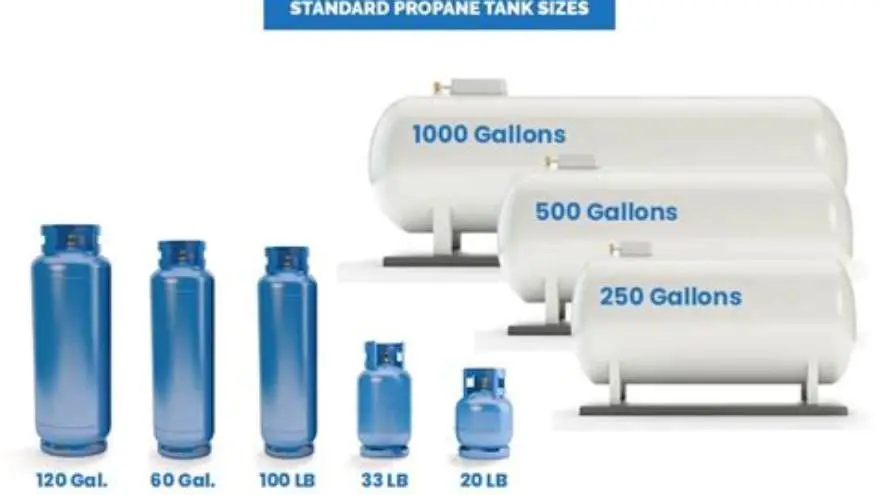
A 20 lb cylinder contains about 20 times the propane in a standard 1 lb cylinder. Using the same energy basis, 20 lb × 21,600 BTU per pound equals 432,000 BTU. Dividing by 21,600 gives about 20 one-pound cans, before accounting for usable-fuel differences.
Use approved refillable equipment if you need a larger fuel supply. Follow the cylinder, appliance, and local fire-safety instructions. A larger cylinder can reduce waste and cost, but it needs proper transport and storage.
Don't puncture or burn disposable cylinders. Local disposal rules differ. Ask your solid-waste office whether a household hazardous-waste site or metal recycler accepts them.
Store part-used cylinders upright in a cool, ventilated place away from heat. Don't leave one in a closed vehicle. If you smell gas indoors, leave immediately and call emergency services from outside.
For a standard 1 lb cylinder, plan from 21,600 BTU. A 10,000 BTU/hr appliance runs about 2.2 hours on paper, with less in difficult conditions.
Key points
- A standard disposable cylinder carries 1 lb, or 16 oz, of net propane. The steel cylinder adds to its gross weight.
- Use 21,600 BTU for base planning. A cylinder with another printed net weight needs label-specific math.
- Weigh a new cylinder and write down its starting weight. Call it empty after losing about 16 oz, or the printed net fill weight.
- Plan on 75% of the paper runtime in cold conditions or during demanding high-output use. This is a planning assumption, not a measured constant.
People also ask
How many 1 lb cylinders should I pack for a weekend?
Add your appliance's BTU use for each day, then divide by 21,600 for standard cylinders. For 8,000 BTU per day over three days, you need 24,000 BTU, or 1.1 cylinders on paper. Pack two, then add a spare if temperatures will be low or cooking demands are uncertain.
Do 1 lb cylinders expire?
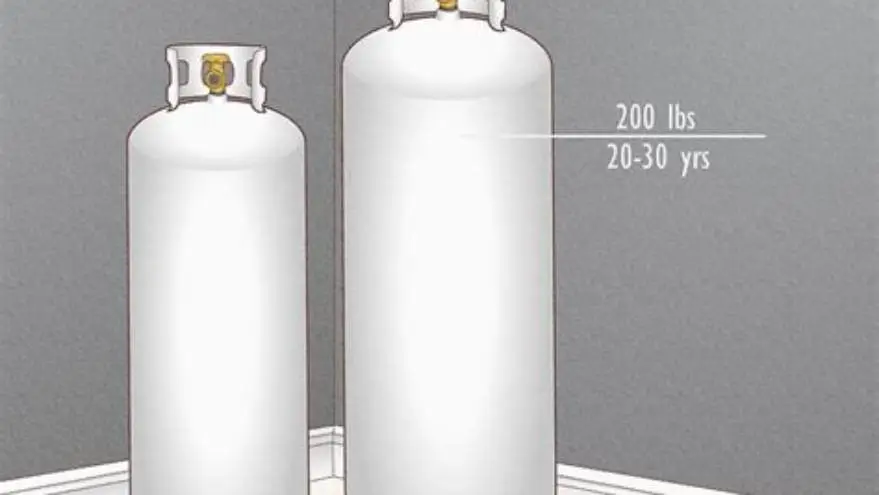
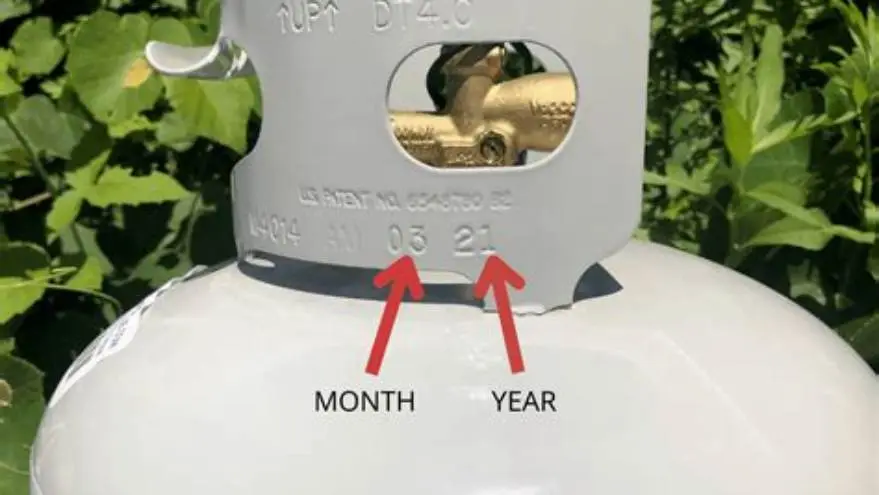
Propane itself doesn't spoil. The steel and valve seal can deteriorate. Retire a cylinder that is rusty, dented, leaking, or damaged. Follow any date or marking printed by the manufacturer.
Why does my stove sputter when the cylinder isn't empty?
Cold and frost can lower pressure, especially during high-output use. Warm the cylinder with your hands or a pocket. A warm, fresh cylinder with a weak or yellow flame may have a clogged burner or regulator problem.
Should I leave the cylinder on the stove or heater between uses?
Remove it between uses unless the appliance manual says otherwise. Store it upright, cool, and away from heat. Check the connection for damage before using it again.