Propane cylinder in the garage: the NFPA 58 rule and where it goes
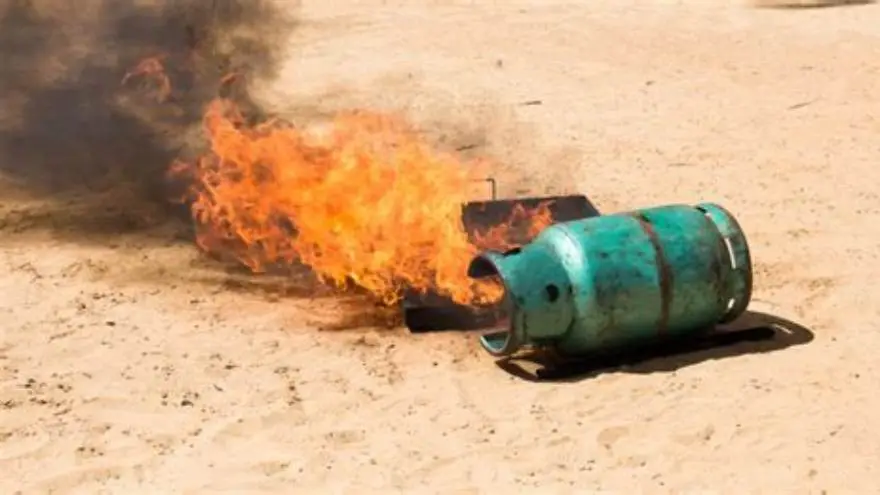
Should propane tanks be stored in garages? NFPA 58 says no for attached garages. A portable cylinder belongs outdoors, upright, shaded, and away from ignition sources. A detached garage or shed may be allowed under your local adopted code. Check before you store.
Part of the guide: Propane leak with no smell: bubble test and gauge check
Propane Facts
- Vapor weight
- About 1.5 times heavier than air
- Burn range
- Roughly 2.1-9.5% gas in air
- 20 lb cylinder
- About 4.7 gallons of liquid
- Liquid to vapor
- About 270 times expansion
- 1 lb bottle
- About 0.24 gallon of propane
- Pressure at 100 F
- Roughly 175 psi
- Relief valve opens
- Around 375 psi
Contents8 sections
- Should propane tanks be stored in garages at all?
- Why does propane vapor pooling matter near a pilot, a car or a freezer?
- Is a detached garage or shed treated differently?
- Is an empty cylinder safer than a full one, and what about 1 lb bottles?
- Where should it go instead, and what if one is already in your garage?
- Can a hot car or garage make a cylinder vent, and how do you carry one home?
- Key points
- People also ask
Should propane tanks be stored in garages at all?
No, not in an attached garage. NFPA 58, the Liquefied Petroleum Gas Code, generally keeps portable cylinders outside occupied buildings. Fire officials usually treat an attached garage as part of the home because it connects directly to living space. Store the cylinder outdoors, upright and shaded instead.
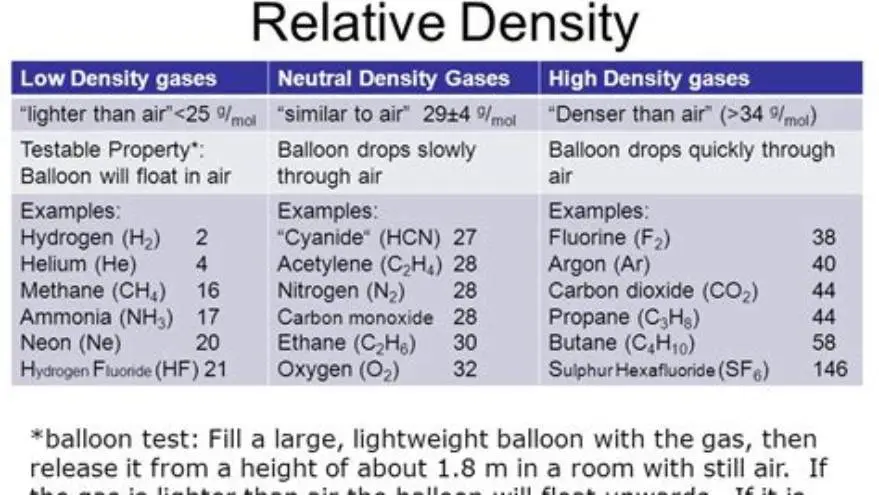
Propane vapor is heavier than air, so a leaking cylinder can spread across the floor. A pilot light, vehicle ignition system or freezer motor could ignite it. The cylinder label gives the manufacturer's storage direction. Follow it even if your garage seems cool, clean and secure.
Local rules can differ because states and cities adopt different editions of NFPA 58. Some add stricter amendments for apartments, leases or homeowners' associations. Ask your local fire marshal's non-emergency line about an attached garage, detached garage and shed. Record the official's name, date and answer before relying on an online exception.
Why does propane vapor pooling matter near a pilot, a car or a freezer?
Propane vapor is about 1.5 times heavier than air. It doesn't rise and thin out like smoke. It slides down, spreads along the floor and collects in low corners, floor drains and the gap under a shelf. A sealed cylinder with a closed valve won't do this on its own, which is why most people never see a problem. People in this spot often ask about can propane cause carbon monoxide as well.
Gas burns when it makes up roughly 2.1-9.5% of the air. A garage puts ignition sources right at floor level:
Here's the arithmetic. A 20 lb cylinder holds about 4.7 gallons of liquid. Liquid propane expands about 270 times as it turns to gas, so that's roughly 1,270 gallons of vapor, or about 170 cubic feet (7.48 gallons per cubic foot). A 20 by 20 foot garage with an 8-foot ceiling is 3,200 cubic feet. Spread evenly, 170 ÷ 3,200 is about 5.3%, inside the burn range.
Real leaks don't spread evenly. They pool, so the floor layer is richer than that average. Treat the number as a warning, not a forecast. Walk your garage and list every pilot, motor and switch within knee height. The other half of this decision is understanding common tank hazards.
- Water heater: the pilot or burner sits low, which is why building codes commonly require garage water heaters to be raised.
- Freezer or fridge: the compressor's start relay clicks on its own and can throw a tiny spark.
- Car: hot exhaust parts, plus a starter motor when someone turns the key.
- Door opener and switches: motors and contacts spark whenever they run.
Is a detached garage or shed treated differently?
Sometimes, yes. A detached building doesn't share air or walls with your living space, so some codes and fire marshals allow a limited number of cylinders in one. The limit, the ventilation and the distances depend on your adopted code. I won't quote a number you can't verify.
Expect conditions like these where a fire marshal says yes:
My position: even where it's legal, keep the cylinder outside. You accept a little weather and a theft risk. In return, a leak disperses into open air instead of collecting in a box. A metal shed in July sun can also run far hotter than the air outside, and heat raises cylinder pressure. If that sounds like your situation, read up on is propane heavier than air next.
If your shed has no vent at floor level, treat it as sealed and keep cylinders out.
- Low vents: openings at floor level let heavy vapor drain out. A tight, sealed shed traps it.
- Ignition sources: no pilot lights, no sparking switches or motors, no running engines nearby.
- Upright and secured: valve on top, held in a stand or chained, and locked away from children.
- Shade: out of direct sun and not under a dark metal roof.
Is an empty cylinder safer than a full one, and what about 1 lb bottles?
Many people think an empty cylinder is just a metal can. It isn't. It still holds propane vapor, often with a little liquid, and its valve can leak like a full one's. The leak would be smaller, but the hazard is the same kind. Store empties exactly where you'd store full ones.
A 1 lb green bottle for camping stoves and lanterns holds about 1 lb of propane, roughly 0.24 gallon. Small-quantity exceptions exist in some codes, and some appliance makers allow a 1 lb bottle indoors. Many bottle labels still say to store outdoors or somewhere ventilated. A garage in July is a poor home for any pressurized can, so verify against your local code and the label. It helps to understand recognizing a gas leak smell before going further.
One exception is use, not storage. A 1 lb bottle can run an appliance indoors only where that appliance's manual says so. Check the labels on your camping bottles, and move any that say outdoors out of the garage.
| Cylinder | What's inside | Garage guidance |
|---|---|---|
| 20 lb grill cylinder, full | About 4.7 gallons of liquid under pressure | Outdoors. Not in an attached garage. |
| 20 lb cylinder, empty | Vapor, often some liquid | Same as full |
| 1 lb camping bottle | About 1 lb (0.24 gallon) | Exceptions vary. Check local code and label. |
| Cylinder left on a grill or heater | Whatever is left in it | Never in a garage. Disconnect and move outside. |
Where should it go instead, and what if one is already in your garage?
Don't worry if one has been there a while. Most cylinders sit harmlessly, and moving one takes about ten minutes. Start by picking the new spot. Look for these five things:
Winter isn't a safety problem. Propane boils at -44 F, so a cold cylinder just delivers less gas. Brush snow and ice off the valve so you can see and reach it.
Now move the one that's inside, using the steps below.
If a gas water heater or furnace shares your garage, a plug-in propane detector gives a second warning your nose might miss. Mount it within about a foot of the floor, since the gas sinks. Check the box says propane or LP gas, because some units sense only carbon monoxide.
- Upright: valve on top, so only vapor reaches the relief valve. A cylinder lying down can vent liquid, which expands about 270 times.
- Outdoors: in open air a leak disperses.
- Shaded: a roof overhang or north wall keeps sun off, since heat raises pressure.
- Off bare ground: use a concrete pad, pavers or a stand. Wet soil rusts the base.
- Clear of openings: away from doors, windows, vents and air intakes. Many owners use 10 feet as a working habit, not a code figure.
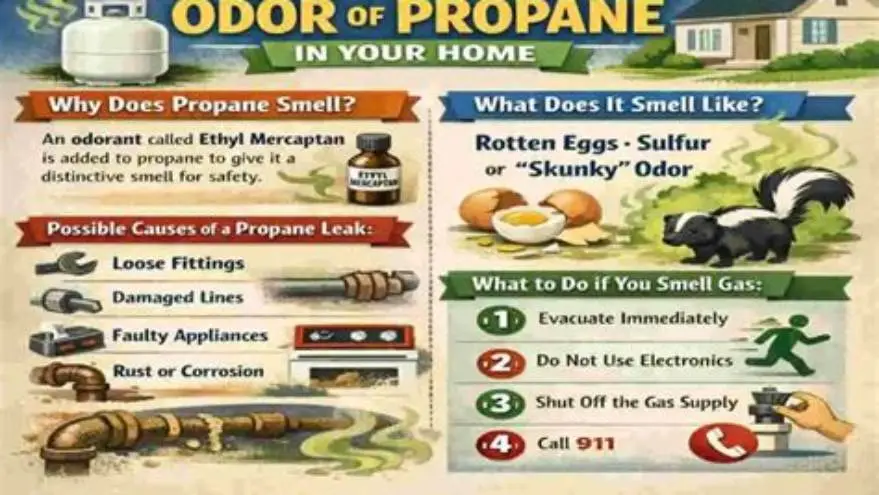
- Stand at the garage door and sniff. A rotten-egg or cabbage smell means stop: leave, touch no switches, use no phone inside, and call 911 or your supplier from outside.
- No smell? Check the valve is closed by turning the handwheel clockwise, and that nothing is connected. Open the garage door wide.
- Carry the cylinder upright by its collar to the shaded outdoor spot. Don't roll or drag it.
- Mix dish soap with water and brush it on the valve and threads. Bubbles that grow mean a leak.
- If it bubbles, leave it outside, away from the house, and call your supplier or exchange brand.
Can a hot car or garage make a cylinder vent, and how do you carry one home?
Yes, though it's uncommon. Propane pressure climbs with temperature, roughly 175 psi at 100 F and over 250 psi at 130 F. A car parked in summer sun can pass 130 F inside. Cylinder relief valves are set around 375 psi, and an overfilled cylinder, with less room for vapor, gets there sooner. When the valve opens it vents gas, and in a closed car or garage that gas has nowhere to go.
Plan around heat, not cold. There's no published number of minutes that's safe on every day, because temperature, sun and fill level all change it. Keep the trip short and follow these steps:
Keep a milk crate in the car so the next trip is already set up.
- Make the refill or exchange your last stop, then drive straight home.
- Stand the cylinder upright in a milk crate, a box or a footwell, and wedge it so it can't tip or roll.
- Check the valve is closed by hand and any plug or cap is on the outlet.
- Keep air moving: open a window or run the vents. A cylinder in a sealed, sun-heated trunk is the worst case.
- Carry it straight to its outdoor spot. Never leave it in the car while you run another errand.
Key points
- Ask your fire marshal for the exact limits on quantity and distance in your town.
- Treat an empty cylinder like a full one, because it still holds vapor.
- Carry a cylinder upright and go straight home. Never leave it in a parked car.
- Check a moved cylinder with soapy water, never a flame.
- If you smell gas, leave first and call from outside.
People also ask
Can I keep a cylinder in a locked outdoor box?
Yes, if the box is vented at the bottom and top, holds the cylinder upright and isn't airtight. Look for a cabinet made for LP cylinders. Check local code too, since some fire codes limit how many cylinders you can keep and how close to the house.
What about a balcony or apartment patio?
Many apartment leases and local fire codes restrict cylinders and grills on balconies, and the rules differ by building. Ask your landlord and the fire marshal before you store one there.
How long can a cylinder sit in a parked car?
No time is safe on every day. A cool, shaded 60 F day is very different from a sunlit 95 F one. Treat the car as transport only and go straight home.
Do I need a gas detector if the cylinder is already outside?
Not for the cylinder. A detector earns its place near gas appliances indoors, such as a garage water heater. A leak outdoors mostly disperses, which is the point of moving the cylinder out.