Can a propane tank explode? Relief valve venting vs a real rupture
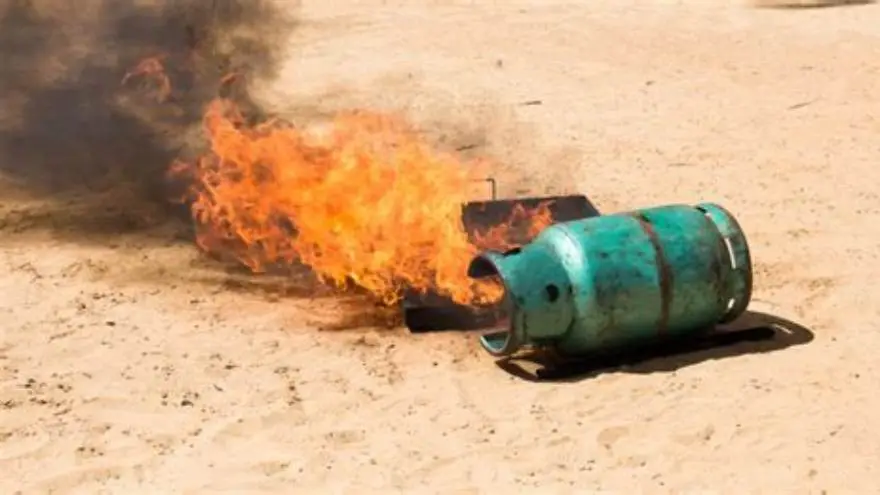
Yes, propane tanks can explode, but a tank rupture is uncommon. A leak, relief-valve discharge, burning leak, and BLEVE are different events. Leave immediately if fire is impinging on a tank. From a safe location, call emergency services and don't move the cylinder.
Part of the guide: Propane leak with no smell: bubble test and gauge check
Propane Facts
- Relief-valve set pressure
- Depends on cylinder design, valve, and applicable standard. Check the manufacturer or valve documentation.
- Propane vapor pressure
- Changes with temperature and propane composition. Use a current manufacturer or industry pressure table.
- Fill limit
- Portable cylinders and tanks have specified maximum fill levels. Follow the cylinder, appliance, and supplier instructions.
- Home tank gauge
- The dial usually shows percent of tank capacity, not gallons remaining.
- Cylinder requalification
- Applicable DOT intervals can be 5, 7, or 12 years. Read the stamp and ask a qualified facility.
- Liquid-to-vapor expansion
- The change depends on temperature and conditions. Use current propane data rather than a single fixed multiplier.
Contents8 sections
- Can propane tanks explode, or do they only vent?
- What does a relief valve do, and is a hiss an explosion?
- What is a BLEVE, and how is a burning leak different?
- Why is a propane tank only filled to its marked limit?
- When is a cylinder too old, rusted, or dented to keep?
- How hot is too hot, and what if a tank hisses or catches fire?
- Key points
- People also ask
Can propane tanks explode, or do they only vent?
Can propane tanks explode? Yes, but several hazards get grouped under that phrase. A cylinder can leak, a relief valve can discharge, leaked gas can burn, or a fire can weaken the vessel until it ruptures.
Propane is stored as a liquid with vapor above it. As temperature rises, vapor pressure rises while liquid remains. The exact pressure depends on temperature, propane composition, and the tank design, so use a current manufacturer or industry pressure table for a precise value.
A relief valve is intended to protect the vessel from excessive pressure. It doesn't make a fire around the tank safe. Flames heating the steel can weaken the wall faster than pressure relief can protect it.
| Stage | What is happening | What you should do |
|---|---|---|
| 1. Heat | Sun or warm surroundings raise the tank temperature and pressure. | Keep cylinders outdoors, upright, away from ignition sources, and within the clearances required for your equipment and location. |
| 2. Relief-valve discharge | The valve opens at its specified set pressure and releases propane vapor. | Don't approach, block, cap, or tape the valve. Keep people and ignition sources away. |
| 3. Burning leak | Escaping propane ignites at a valve, hose, regulator, or fitting. | Leave the area. Call emergency services from a safe location. |
| 4. Fire impingement | Flames heat the tank wall directly and can weaken the steel. | Evacuate and call emergency services. Don't move the tank or fight the fire yourself. |
| 5. BLEVE or rupture | A heated, weakened vessel fails and liquid propane rapidly vaporizes. | Nothing near the vessel is safe. Stay well away and follow emergency instructions. |
What does a relief valve do, and is a hiss an explosion?
A relief valve opens when pressure reaches its specified set point. The exact set pressure depends on the cylinder or tank, valve, and governing standard. Check the valve manufacturer's documentation, the cylinder documentation, or ask your propane supplier. We cover checking rules for detached garages in its own article.
A hiss may be relief-valve discharge or a leak. You can't identify the source safely by sound alone. Gas escaping from a hose, regulator, fitting, or valve can create the same warning.
A relief-valve discharge may produce a cold white cloud as propane chills nearby moisture. That appearance doesn't prove the valve is working correctly. Don't touch the valve or try to stop the discharge.
A leak is propane escaping where it shouldn't. A burning leak is propane escaping and igniting at the leak point. Neither event is the same as a BLEVE, though a flame can heat the cylinder and create a worse emergency. We go through where propane leaks collect step by step elsewhere on the site.
What is a BLEVE, and how is a burning leak different?
BLEVE means boiling liquid expanding vapor explosion. It can occur when fire heats a pressurized vessel until the wall loses strength and fails. The liquid then rapidly changes to vapor, producing a blast and dangerous fragments.
A BLEVE is different from a leaking cylinder. A leak releases propane through a damaged or open path. A burning leak releases propane that has ignited, creating a flame jet. A relief-valve discharge releases gas through a designed safety device.
Never approach a burning cylinder to identify the source. Don't move a cylinder exposed to flame or severe heat. Heat may have weakened its wall, and moving it can place you beside the failure point. For the detail, see our notes on what does propane smell like.
If fire is impinging on a tank, evacuate people and pets, stay well away, and call emergency services. Tell responders propane is involved and provide the tank size if you know it. Don't return until officials say it's safe.
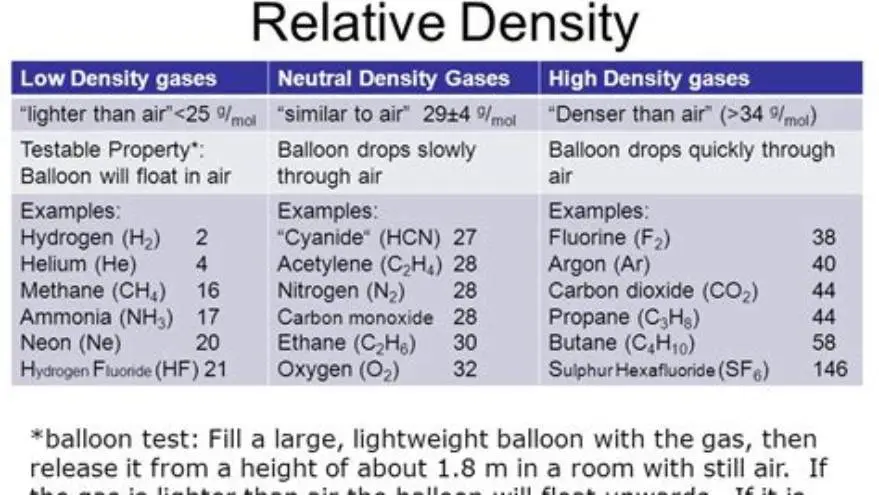
Propane vapor can collect in low places and enclosed spaces. A leak in a camper, shed, basement, or vehicle can ignite when it reaches a switch, motor, flame, or static spark. That blast may involve the building or vehicle rather than a tank rupture.
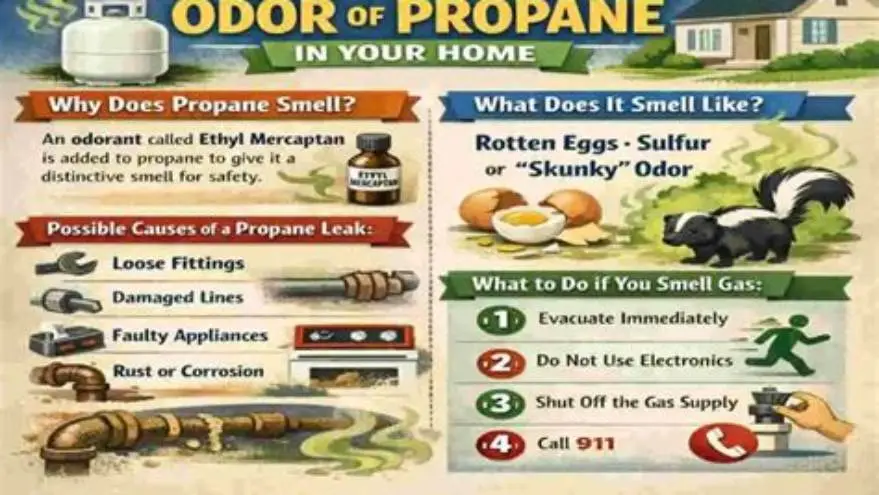
If you smell gas or hear an unexplained hiss, leave without operating switches or using a phone inside. Call the propane supplier or emergency services from outside and wait for instructions. A qualified professional should inspect the system before anyone uses it again.
A propane alarm listed for the intended installation can warn of leaks in enclosed spaces. Follow its placement, testing, power, and replacement instructions. An alarm supports safe planning but doesn't replace inspection or evacuation.
Why is a propane tank only filled to its marked limit?
Liquid propane expands as it warms. The required vapor space gives the liquid room to expand without filling the vessel completely. The exact fill procedure depends on the tank type, capacity, measuring device, and local requirements.
Portable cylinders commonly use an overfill prevention device. It stops filling at the specified level when the equipment operates correctly. Don't test, bypass, or repair that device yourself.
Large stationary tanks use approved filling procedures and gauges. A gauge reading is not a universal measurement of gallons remaining. Ask the supplier how your specific dial is calibrated and how the tank is filled.
Never transfer propane between containers yourself. Have filling and inspection handled by a qualified propane supplier. Keep the cylinder upright and follow the cylinder, appliance, and local-code clearance requirements.
When is a cylinder too old, rusted, or dented to keep?
Read the collar or body stamp for the manufacture date and later requalification marks. DOT requalification intervals can be 5, 7, or 12 years, depending on the cylinder, inspection method, and applicable rule. Don't rely on a blanket 12-year rule.
The stamp tells a qualified requalification facility when the cylinder must be inspected again. A dealer or registered facility can interpret the markings and determine whether the cylinder may be refilled.
Reject a cylinder with deep pitting, flaking corrosion, a sharp dent, gouges, bulges, fire damage, damaged threads, or a faulty valve. Surface discoloration alone doesn't establish whether a cylinder is safe.
Take two minutes and check the cylinder nearest you.
- Read the collar and body markings. Ask a qualified facility about the next requalification date.
- Inspect the foot ring and base. Deep pitting or flaking corrosion requires professional evaluation.
- Look for dents, gouges, bulges, blistered paint, or heat damage. Don't refill a damaged cylinder.
- Check the valve and protective collar for damage. Don't repair or alter them yourself.
How hot is too hot, and what if a tank hisses or catches fire?
Vehicle interiors can become dangerously hot in sunlight. Follow the cylinder's warning label and manufacturer instructions for transport. Secure the cylinder upright, drive directly to your destination, and don't leave it unattended in a vehicle.
Cylinder labels specify maximum temperature and other handling limits. Read the label on your cylinder rather than applying a guessed temperature. Keep cylinders outdoors, upright, away from ignition sources, and protected from conditions prohibited by the manufacturer.
Clearance distances aren't universal. They depend on tank type, capacity, installation, appliance design, local code, and the manufacturer's instructions. Use the distances required for your exact setup and have permanent installations checked by a qualified professional.
If a tank is hissing or fire is nearby, don't investigate the source. Use this response:
- Fire impinging on the tank: evacuate, keep others away, and call emergency services. Don't move the tank, approach the valve, or try to extinguish the fire.
- Unexplained hiss or gas odor without visible fire: leave without operating switches or creating sparks. Call emergency services or your propane supplier from outside.
- A cylinder that vented, leaked, or was near fire: keep people away and arrange inspection by a qualified propane professional before reuse.
- After any emergency: follow instructions from responders and don't return until the area is declared safe.
Key points
- A hiss may come from a relief valve or a leak. Never assume its source.
- A BLEVE involves a vessel heated by fire until the wall fails.
- Keep cylinders outdoors, upright, away from ignition sources, and within required clearances.
- An empty cylinder still contains flammable vapor and remains hazardous.
- A qualified propane professional should inspect any cylinder exposed to fire or abnormal venting.
People also ask
Can a propane cylinder explode in a hot car?
Vehicle interiors can become dangerously hot in sunlight, and a cylinder can vent or leak inside the vehicle. Follow its warning label and manufacturer instructions. Secure it upright, drive directly to your destination, and never leave it unattended. If you smell gas, move away and call emergency services from outside.
Is an empty propane cylinder safe from exploding?
No. An empty cylinder still contains flammable vapor and must be treated as hazardous. Keep it outdoors and upright, and give it to a qualified dealer or hazardous-waste facility. Never vent or puncture it.
Who can requalify an expired cylinder, and is it worth it?
Use a qualified facility authorized to requalify that cylinder type. DOT intervals can be 5, 7, or 12 years, depending on the cylinder and inspection method. Read the stamp and ask the facility before transporting it.
Should I leave the cylinder connected to my grill after cooking?
Follow the grill manual and local requirements. Keep the cylinder outdoors, upright, away from ignition sources, and within the required clearance. Close the cylinder valve after use if the instructions call for it. Never store the grill or cylinder indoors.