What does propane smell like? Rotten eggs, sulfur, or skunk
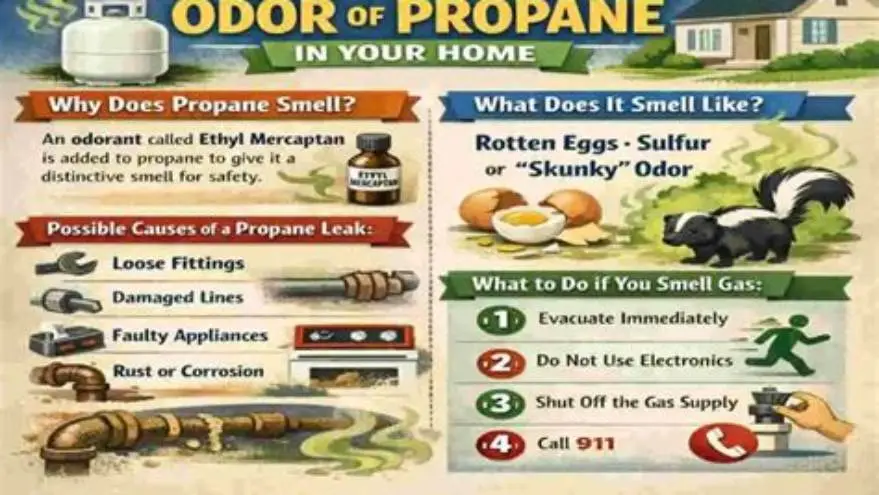
Propane naturally has no smell. Commercial propane often contains an added odorant, commonly a mercaptan, so people can notice a possible leak. The odor may resemble rotten eggs, sulfur, boiled cabbage, or skunk. Never deliberately smell-test a cylinder, appliance, or room.
Part of the guide: Propane leak with no smell: bubble test and gauge check
Propane Facts
- Common odor description
- rotten eggs, sulfur, cabbage, or skunk
- Gas itself
- colorless and naturally odorless
- Added warning
- an odorant, often a mercaptan
- Detector advice
- follow the manufacturer's instructions
- Emergency rule
- leave and call from a safe location
Contents8 sections
What does propane smell like?
Odorized propane commonly smells like rotten eggs, sulfur, boiled cabbage, or skunk. The smell comes from an added odorant, not from propane itself.
Pure propane is colorless and naturally odorless. Commercial propane may contain an odorant to provide a warning before a dangerous leak develops. Odor requirements and performance can depend on the product and its use.
Natural gas can smell similar because it may contain a related odorant. Smell alone does not tell you which fuel is present or where an odor started.
Never put your face near a cylinder valve, appliance, fitting, or suspected room to test the smell. An odor you notice unexpectedly deserves caution. People in this spot often ask about how combustion creates a silent hazard as well.
The odorant is usually ethyl mercaptan. Suppliers add only a few ounces to thousands of gallons of propane. The aim is a smell you catch well before the gas could catch fire. Propane burns in air only between about 2.1% and 9.5% by volume. The target is a clear odor at roughly 1/5 of that lower limit. That leaves you a margin of warning before any real danger.
Why can a propane smell change?
Odorant fade can occur when odorant interacts with a tank, piping, soil, or other materials. The exact cause cannot be identified from smell alone.
Odor problems can have several causes, including a leak, a change in ventilation, or reduced ability to smell. A weak or missing odor does not clear equipment or a building. We go through improving airflow after a leak step by step elsewhere on the site.
Contact a qualified propane supplier when an odor seems unusual, fades after you notice it, or does not match your expectations. The supplier can evaluate the tank, piping, appliances, and odorant performance.
Do not present a new installation, an older system, or an empty tank as proof of a particular cause. A qualified supplier needs to inspect the actual setup.
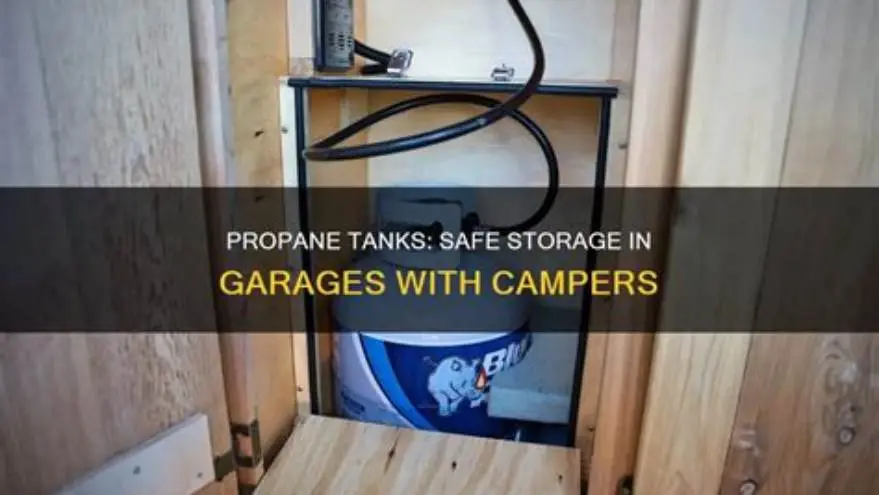
Odorant fade shows up most in new steel tanks. Fresh metal, plus any rust, air, moisture, or scale, can absorb the mercaptan. A tank sitting empty or nearly empty raises the risk. The odorant can cling to pipe walls and soil as well. So the gas may reach you with little or no warning smell. Before you commit to anything, it is worth looking at should propane tanks be stored in garages.
This is why the first fill of a season deserves attention. Ask the supplier to check odorant levels if the smell seems faint. A qualified technician can run an odor-fade check on the system. You cannot judge odorant strength from one sniff at the tank.
| Situation | Why evaluation helps | Your next step |
|---|---|---|
| Unusual or changing odor | Several causes can produce the same warning smell | Contact a qualified propane supplier |
| Odor near a tank or appliance | The source may involve the equipment or its connections | Keep away and request a professional check |
| Underground tank or piping | The source may not be visible from the surface | Arrange testing through the supplier |
| Odor noticed after a tank ran empty | The system may need inspection before use resumes | Do not relight appliances until cleared |

Safe T Alert 30 Series Classic LP Gas Alarm
If you can’t rely on smelling a leak, this sounds an 85 dB alarm at <25% LEL of propane and installs as a direct replacement for most CCI Controls detectors with no modifications.
What else can smell like sulfur?
Dry drain traps, well water, hot-water reactions, spoiled food, and trash can also create rotten-egg odors. Those possibilities do not make a gas odor safe to investigate indoors.
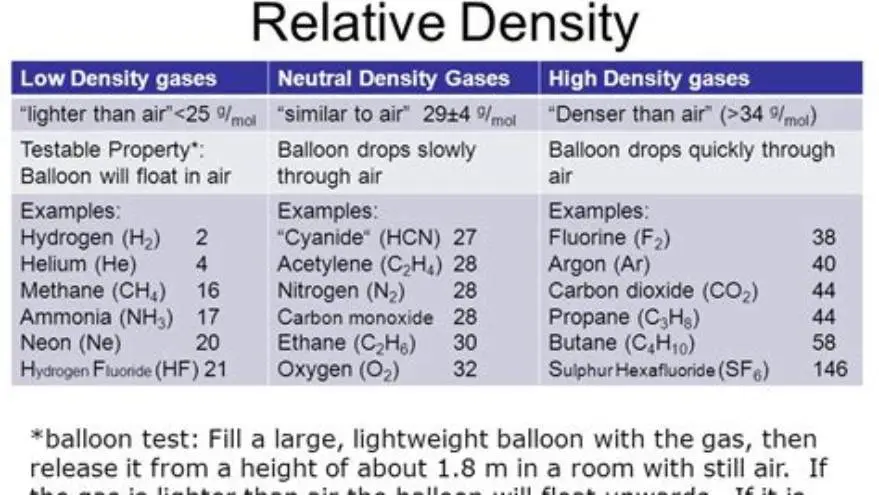
Wind, illness, allergies, smoking, and nose fatigue can change what you notice. Propane vapor can also collect in low areas because it is heavier than air.
Treat an unexplained odor near propane equipment as a possible gas emergency. Do not compare smells closely or use a room's size to judge the risk.
A qualified propane supplier can help separate an equipment problem from another odor source after the immediate danger is addressed.
Propane vapor weighs about 1.5 times as much as air. A leak does not drift up and out like natural gas. It rolls downhill and pools in the low spots. Think basements, floor drains, pits, and the bottom of a boat. An odor you catch while crouching can vanish when you stand. That low pooling is why you leave rather than hunt for the source.
A sink nobody uses can mimic a gas smell. The water in its dry trap dries out and sewer gas seeps back. Run the tap for 30 seconds and the trap refills. The smell usually clears within a day. Try this only after propane equipment has been cleared. Never test a drain while an unexplained gas odor hangs in the air.
| Possible source | Typical location | Safer response |
|---|---|---|
| Possible gas leak | Near equipment, piping, or low areas | Leave and call from a safe location |
| Dry drain trap | Unused floor drain, sink, or shower | Check it only after gas danger is ruled out |
| Well water | Faucets or water in a glass | Contact a water professional after the air is clear |
| Food or trash | Fridge, pantry, or waste container | Remove it only after gas danger is ruled out |
What should you do if you smell propane?
Treat an unexplained or persistent propane odor seriously. Do not search for the leak, operate switches, smoke, use a flame, or deliberately smell-test equipment.
For an occupied building, get people and pets outside without creating sparks. Call your propane supplier's emergency number or 911 from a safe location, then stay away until responders or qualified personnel say it is safe.
A small outdoor appliance can have different instructions. If you can safely turn off the appliance and cylinder valve without moving through a gas cloud, follow the appliance manual. Leave and seek help if the odor continues or the cause is uncertain.
Do not use the appliance again until it has been checked. Emergency procedures vary with the location, equipment, ventilation, and people exposed.
- Avoid flames, smoking, electrical switches, phones, and other possible ignition sources near the odor.
- Move people and pets away from the building, vehicle, appliance, or cylinder.
- Call the propane supplier or emergency services from a safe location.
- Stay away until qualified personnel or emergency responders give clearance.
- Have the system inspected before using the equipment again.
What about a grill, camp stove, or RV?
Follow the equipment manual and avoid deliberate smell tests. Turn off the appliance and cylinder valve only if you can do so safely.
Move away if the odor persists, grows stronger, or has an uncertain source. Do not use the equipment again until it has been checked.
A soap-and-water check can be part of routine maintenance when no emergency odor is present. Never use a flame to search for leaks.
Can a propane detector help?
A properly installed LP-gas detector can provide an additional warning without relying on odorant or your sense of smell. It provides supplemental protection, not a substitute for leak checks or emergency action.
Choose a detector listed for propane or LP gas. Install, test, place, and replace it according to the manufacturer's instructions. Requirements can differ by model, building, and recreational vehicle.
A detector may not detect carbon monoxide. Use a separate carbon monoxide alarm unless the product is listed for both hazards.
Contact a qualified propane supplier for odor problems. The supplier can test the system instead of relying on a smell comparison.
Because propane sinks, mount an LP-gas detector low. Many models want the sensor within about 18 inches of the floor. A detector up near the ceiling can miss a pooling leak. Check the manual for the exact height, since it varies by model and vehicle. Wrong placement gives you a false sense of cover.
A gas alarm can sound for reasons other than a real leak. Hairspray, cleaning sprays, and some paints can trip the sensor. Treat every alarm as real and leave anyway. Sort out the cause from outside, not by sniffing around the unit. Resetting comes after the system is checked.
- Follow the detector's installation and testing instructions.
- Replace batteries, sensors, or the unit on the manufacturer's schedule.
- Keep carbon monoxide protection separate unless both functions are listed.
- Report unusual, weak, or missing odor to a qualified propane supplier.
- Treat an alarm or gas odor as a reason to leave, not permission to re-enter.
Key points
- Odorized propane commonly smells like rotten eggs, sulfur, cabbage, or skunk.
- Do not deliberately smell-test propane equipment or enter a building to investigate an odor.
- Leave and call from a safe location if an unexplained propane odor occurs. Procedures can differ for a small outdoor appliance and an occupied building.
- A properly installed LP-gas detector adds protection, but it does not replace leak checks or emergency action.
People also ask
Is a faint propane smell near my grill always a leak?
Not always, but you should not investigate by smell. Follow the grill manual if you can safely shut off the supply. Leave and contact your supplier if the odor continues or the cause is uncertain.
Is all propane odorized?
No. Commercial propane may be odorized, but requirements and performance depend on the product and its use. Ask the supplier about unusual or industrial applications.
What if the smell comes and goes?
Treat it as a possible leak. Wind, ventilation, equipment operation, and odorant fade can change what you notice. Leave and arrange professional testing.
Who should investigate a suspected odor problem?
Contact a qualified propane supplier. Odor problems can have multiple causes, and the supplier can evaluate the tank, piping, appliances, and odorant performance.