Can propane cause carbon monoxide? The smell only warns of one
Yes, propane can cause carbon monoxide when propane burns incompletely or combustion exhaust is not safely vented. The fuel itself contains no CO. A leak may smell like rotten eggs, while CO has no smell and requires an alarm for detection.
Part of the guide: Propane leak with no smell: bubble test and gauge check
Propane Facts
- CO in propane
- None in the fuel; it can form during incomplete combustion
- CO detection
- Use a certified CO alarm; smell cannot detect it
- Propane-gas detection
- A separate fuel-gas alarm detects leaking propane
- Alarm service life
- Follow the replace-by date and manufacturer's instructions
- Combustion air
- Use the appliance manual and local code, not a simple room calculation
Contents9 sections
- Can propane cause carbon monoxide, or only the appliance burning it?
- Why does propane smell, and why doesn't that smell warn you about CO?
- What makes a propane appliance burn badly and produce CO?
- Does a blue flame or lit pilot rule out carbon monoxide?
- Which propane appliances carry the most CO risk?
- What do you do for a gas smell, and what do you do for a CO alarm?
- What does a CO alarm cover, and where should it go?
- Key points
- People also ask
Can propane cause carbon monoxide, or only the appliance burning it?
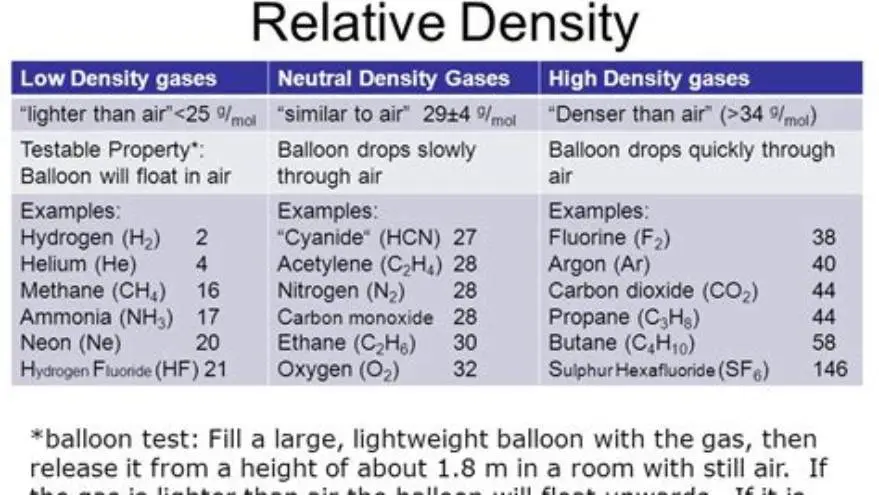
Propane in a tank or supply line cannot produce carbon monoxide by itself. The fuel contains carbon and hydrogen, but it contains no CO. Carbon monoxide forms during combustion, after an appliance burns the propane.
With enough air and a clear exhaust path, propane burns mainly into carbon dioxide and water. Poor air supply, a dirty burner or blocked vent can interrupt combustion. The resulting CO is colorless and odorless, so you cannot judge the exhaust with your nose.
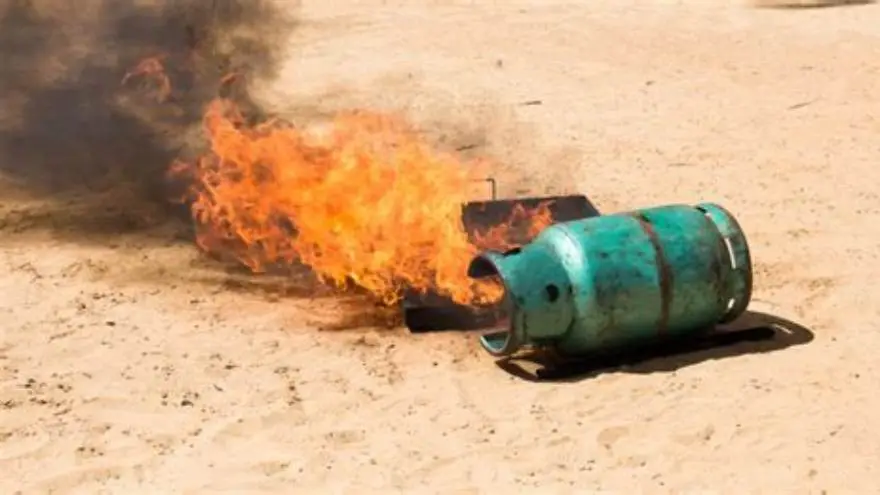
Your question has two answers. Leaking propane creates a fire or explosion hazard. Incompletely burned propane can create a carbon monoxide hazard. Both can happen around the same appliance, but they need different detection methods.
Carbon monoxide can come from any fuel-burning appliance, not only propane. Natural-gas furnaces, oil boilers, wood stoves, fireplaces, kerosene heaters, generators and engines can all produce CO when combustion or venting goes wrong. This article focuses on propane because the same home can face both a fuel leak and combustion exhaust. We go through knowing when to leave the area step by step elsewhere on the site.
Why does propane smell, and why doesn't that smell warn you about CO?
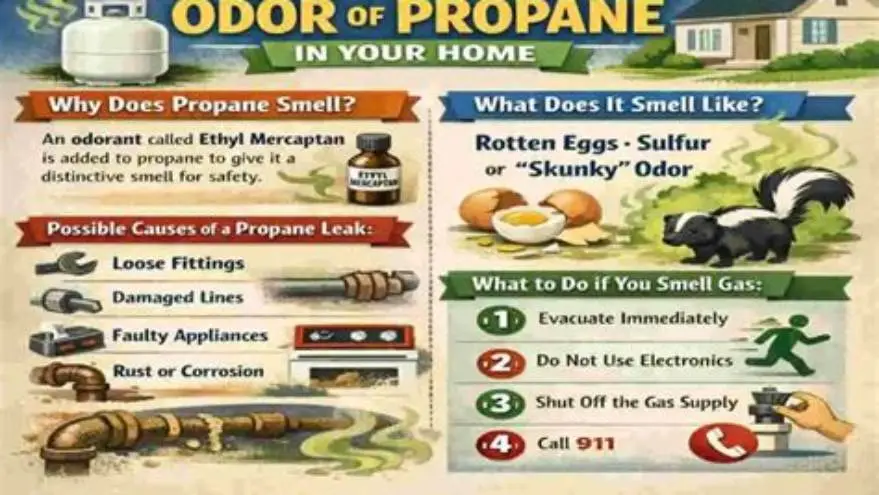
Pure propane has no smell. Suppliers add an odorant, often a sulfur-containing compound, to help people detect leaking gas before it reaches an ignitable concentration. The odor is a warning aid, not a guarantee of safety.
Do not rely on smell alone. Odor may be missed because of nasal fatigue, illness, age, concentration, ventilation or other conditions. Ask the propane supplier about suspected odor loss or odorant problems.
Carbon monoxide forms inside the flame and does not carry the propane odorant. A room can contain CO while smelling normal. A fuel-gas alarm and a CO alarm perform different jobs. We go through improving airflow after a leak step by step elsewhere on the site.
A propane-gas detector senses leaking fuel gas. A CO alarm senses carbon monoxide from combustion. Neither one replaces the other, and neither one identifies every fault without an inspection.
What makes a propane appliance burn badly and produce CO?
A burner needs the correct fuel pressure, enough combustion air and a clear exhaust route. A fault in any of those areas can raise the CO risk. Some problems are visible, but others require instruments and a qualified inspection.
Don't use a simple room-size calculation to decide whether an appliance has enough air. Chemistry estimates can illustrate the fuel-air relationship, but they don't account for burner design, excess air, building leakage, mechanical ventilation or local code. There is more on can propane tanks explode in a separate guide.
Use the appliance installation manual for combustion-air requirements. Follow local building and fuel-gas code, and have a qualified professional assess unusual or enclosed installations. That approach avoids treating a rough estimate as a ventilation design.
Common causes include:
- Blocked vent or flue: nests, debris, snow, ice or a damaged liner can push exhaust back indoors.
- Low air supply: a tightly closed room, blocked combustion-air opening, exhaust fan or dryer can disturb the burner.
- Dirty burner: dust, soot, corrosion or an insect nest can change the fuel-air mix.
- Incorrect regulator pressure: the data plate and manual specify the appliance's required pressure. Leave adjustments to a qualified technician.
- A blocked flame path: a misplaced panel, log or cookware can cool or disturb the flame.
- Damaged heat exchanger: furnace exhaust can enter the air the blower circulates.
Does a blue flame or lit pilot rule out carbon monoxide?
No. A lit pilot proves gas is reaching a flame. It doesn't prove the burner is producing clean combustion or sending exhaust outdoors.
Propane burners commonly show blue flames, sometimes with small yellow tips. Large yellow or orange flames, soot, lifting flames or unusual flickering need attention. Some decorative appliances are designed to burn yellow, so compare the flame with the manual.
A blocked flue or damaged heat exchanger can create a CO hazard even when the flame looks normal. Stop using equipment if an alarm sounds, symptoms appear or visible damage is present.
Which propane appliances carry the most CO risk?
Risk rises when exhaust stays where people breathe. Unvented heaters, ranges used for heating, portable generators and outdoor equipment used indoors deserve special care. A vented appliance still needs a clear vent and correct combustion.
An oxygen-depletion sensor can shut some unvented heaters down when room oxygen falls. It does not measure CO and cannot replace a CO alarm. Check local code before installing or using an unvented heater.
RV and camper owners have little room for error. Inspect the furnace's outside vent for blockage before trips, and follow the appliance manual. Never use an oven to heat the cabin.
Do not use a tank-top heater or an outdoor-rated patio heater indoors, in a tent or in another enclosed space. A patio heater's outdoor rating does not change because a garage door is open.
For generators, the rule is direct: never operate one in a garage or other enclosed space. Place it outdoors at the distance specified by the manual and local requirements.
| Appliance | What usually goes wrong | What should happen |
|---|---|---|
| Unvented heater | Poor air supply, dirty burner or a safety fault | Turn it off, leave if symptoms or an alarm occur, and follow the manual and local code before reuse. |
| Range or oven used for heat | Exhaust remains indoors during extended operation | Stop using it for heat. Use equipment designed for space heating. |
| RV furnace | Blocked exhaust, damaged heat exchanger or weak electrical supply | Turn it off and arrange inspection before the next trip. |
| Portable propane generator | Operation near an opening or inside an enclosed space | Leave immediately if it is running indoors. Use it outdoors at the manual's required distance. |
| Grill, camp stove or patio heater | Outdoor equipment used in a tent, garage or other enclosed area | Turn it off if safe, leave the area and never use it indoors. |
| Vented furnace, boiler or water heater | Blocked flue, backdrafting, dirty burner or damaged heat exchanger | Stop using it and have the venting and combustion checked by a qualified professional. |
What do you do for a gas smell, and what do you do for a CO alarm?
Treat a propane odor without an alarm as a possible fuel leak. Leave without creating sparks, then call the propane supplier's emergency number or 911 from outside. Don't search for the leak, operate switches or use a phone inside.
Treat a CO alarm or suspected CO exposure as a separate emergency. Get everyone and pets into fresh air immediately, then call emergency services from outside. Don't re-enter because the alarm stops.
Carbon monoxide poisoning can cause headache, dizziness, weakness, nausea, vomiting, chest pain, confusion and unusual sleepiness. Symptoms can be mild or absent. Anyone with trouble breathing, collapse, seizure, severe confusion, chest pain or loss of consciousness needs emergency medical treatment now.
Call emergency services for suspected exposure even when symptoms seem mild. Seek medical advice promptly, especially for children, older adults, pregnant people and anyone with heart or breathing problems. Tell responders about the possible CO source.
Wait for responders or qualified personnel to say the building is safe. Have the propane supplier, fire department or a qualified technician determine the cause before using the equipment again.
- Leave the building or area immediately. Take everyone and pets with you.
- Avoid switches, appliances, phones, flames and anything else that could create a spark inside.
- Shut the tank valve only if it is outdoors and you can reach it without moving through the odor.
- Call the propane supplier's emergency number or 911 from outside or a neighbor's home.
- Stay outside until responders or qualified personnel say it is safe. Do not restart equipment yourself.
What does a CO alarm cover, and where should it go?
A CO alarm senses carbon monoxide. It doesn’t sense propane, locate a leak, or identify a failed appliance. Use a separate propane detector unless one listed unit covers both hazards.
Choose an alarm certified for your location and intended use. Requirements differ for homes, vehicles, and other spaces. Follow the manufacturer’s placement instructions and check which hazards the label names.
Many authorities recommend alarms on each level and outside sleeping areas. Local rules and product instructions control the final locations. Keep alarms away from steam, cooking fumes, and direct drafts unless the instructions permit them.
Keep furniture and curtains away from the alarm’s openings. Install an RV model approved for that vehicle or space. Check its battery backup, power-loss operation, alarm volume, and end-of-life signal.
Test each alarm as directed. Replace the whole unit by its replace-by date, after an end-of-life signal, or whenever the instructions require it. A new battery won’t restore an expired sensor.
Leave the building and call emergency services if the CO alarm sounds. Test propane detectors separately, using their own instructions and placement rules.
Key points
- A propane odor means possible unburned gas. Leave without operating switches, phones or flames inside, then call from outside.
- Carbon monoxide can come from any fuel-burning appliance, including natural-gas, oil, wood and kerosene equipment.
- Use a CO alarm certified to the applicable safety standard. Follow local code and the alarm maker's placement instructions.
- After a gas leak or CO alarm, don't restart equipment. Have the cause checked before using it again.
People also ask
Is a yellow flame always a sign of carbon monoxide?
No. Some decorative appliances are designed to burn yellow. A yellow or orange flame on a burner normally expected to burn blue can signal poor mixing. Compare it with the manual and arrange service if it changes.
Does an oxygen-depletion sensor stop an unvented heater from making CO?
No. It responds to falling oxygen, not directly to carbon monoxide. It is a safety feature, not a substitute for a CO alarm or proper installation. See the appliance section for the limits of this sensor.
My CO alarm went off and I can't find anything wrong. Can I ignore it?
No. Follow the emergency steps in the gas-smell and CO-alarm section. Leave, call from outside and wait for responders or qualified personnel to clear the building.
Can one alarm cover both a propane leak and CO?
Combination alarms are available only when the unit is listed for both hazards. Follow that unit's placement instructions; do not assume that a CO alarm's placement is suitable for detecting propane.
How often should a vented propane furnace or water heater be inspected?
Inspection frequency varies. Follow the appliance manual and local requirements. Have venting and combustion checked by a qualified professional when required, or after symptoms, alarms or visible damage.