is propane heavier than air? Low areas, airflow, and leak response
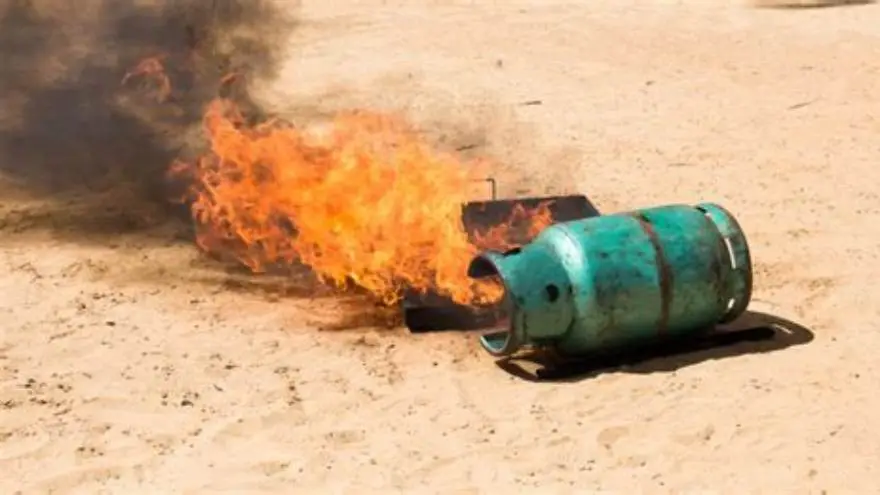
Yes. Propane vapor is about 1.5 times heavier than air, so a leak sinks and pools in the lowest space it can reach: a basement, a pit, an RV floor, a boat bilge. If you smell gas, leave first, then call for help from outside.
Part of the guide: Propane leak with no smell: bubble test and gauge check
Propane Facts
- Vapor density
- about 1.5x air (heavier)
- Natural gas by contrast
- about 0.6x air (lighter)
- Boiling point
- about -44 F
- Liquid-to-gas expansion
- about 270 times
- Lower explosive limit
- about 2.1% in air
- Detector mount height
- within ~18 in of floor
Contents8 sections
- Is propane heavier than air, and by how much?
- Why propane settles into low spots
- How airflow and enclosed spaces change where it goes
- What to do if you suspect a propane leak
- How far one gallon of leaked propane can spread
- Where to put a propane alarm so it actually catches a leak
- Key points
- People also ask
Is propane heavier than air, and by how much?
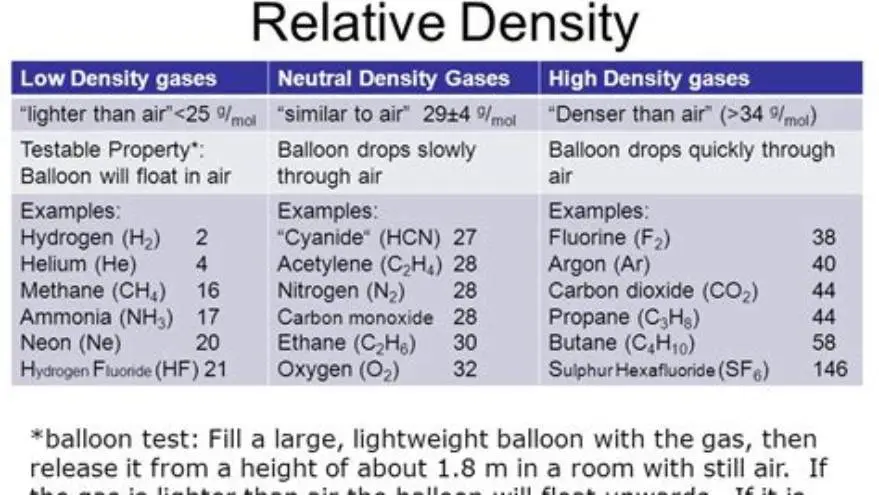
Propane vapor is about 1.5 times as heavy as the air around you. The usual vapor density figure sits near 1.5 to 1.55 at room temperature. That one number explains almost everything about where a leak goes. It sinks.
Compare it with natural gas, which is lighter than air at roughly 0.6. A natural gas leak rises toward the ceiling. A propane leak does the opposite and heads for the floor. Same fuel family, opposite behavior, so advice written for one can mislead you about the other.
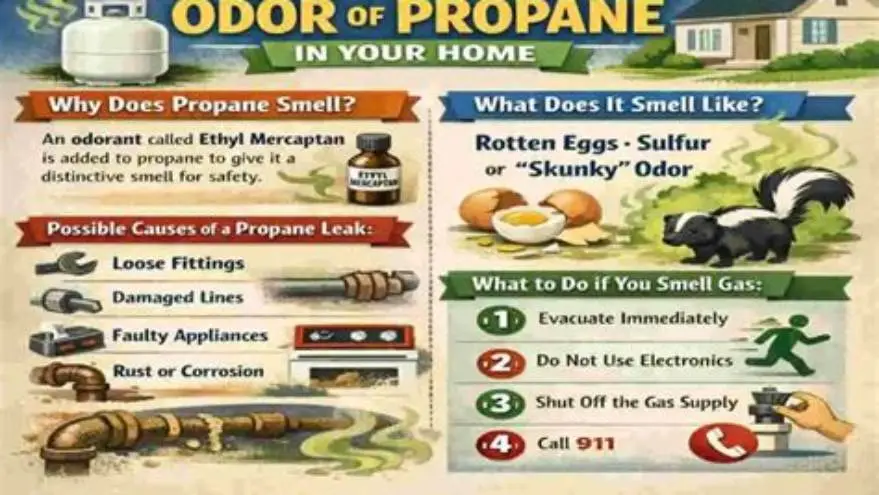
Raw propane has no smell. Suppliers add ethyl mercaptan, the rotten-egg odorant, so you can detect a leak by nose. That smell can weaken in some conditions, known as odorant fade, so never treat your nose as the only warning. A faint whiff near the floor matters more than a strong one at head height.
Sniff low, not high, when you check a space for a suspected leak. Before you commit to anything, it is worth looking at tank venting and explosions.
Why propane settles into low spots
Treat leaked propane as invisible water. It rolls downhill, fills the lowest container it finds, and sits there until something moves it. A floor drain, a stairwell, a basement, the pit under a furnace: every one of these is a collection point.
Cold makes it worse. Vapor coming off a leak is chilled, and cold gas is denser still, so it hugs the ground harder. On a cold morning a small leak can stay pooled for a long time.
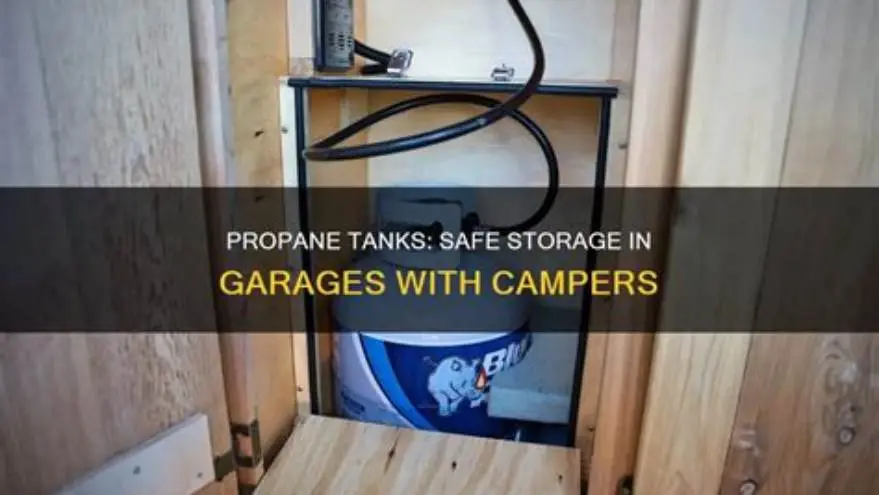
An outdoor leak is usually safer than the same leak indoors. Outside, the gas spreads thin across the ground and disperses on any breeze. Inside four walls it has nowhere to go but the floor, so it builds toward the flammable range. People in this spot often ask about should propane tanks be stored in garages as well.
Walk the low points first: the floor, the bottom of the stairs, any pit or drain.
How airflow and enclosed spaces change where it goes
Still air lets propane do what it wants: sink, spread flat, and lie along the floor. In a sealed room it keeps building toward the concentration where it can ignite.
Moving air rewrites that. A draft, a fan, an open door or a running furnace blower can carry the gas sideways or thin it below the danger line. That can help you, or it can push a hidden pocket of gas straight toward a pilot light. For the detail, see our notes on propane odor description.
Enclosed low spaces are the worst mix. A basement, a boat bilge, an RV cabinet, a below-grade garage: gas enters, can't drain away, and climbs past the lower explosive limit of about 2.1%. Above roughly 9.5% it's too rich to burn, but you pass through the dangerous band on the way there and back.
Keep the space it could pool in ventilated, and keep ignition sources out of that space.
| Setting | Airflow | What happens to the gas |
|---|---|---|
| Open yard | Breeze | Spreads thin, disperses quickly |
| Sealed basement | None | Pools low, concentration climbs |
| Garage with door up | Cross-draft | Partly thinned, can shift toward a spark |
| RV cabinet or bilge | Trapped | Builds fast, hardest to clear |
What to do if you suspect a propane leak
Your first move is to get people and pets out. Don't hunt for the source. Don't finish what you were doing. Leave. There is more on propane and carbon monoxide in a separate guide.
Follow the order below. It runs from the safest action to the one that needs a professional, and it keeps you away from anything that could spark.
- Get everyone out of the building or RV right away, and leave the door open behind you.
- Touch nothing electrical. No light switches, no phones, no appliances, no garage-door button. A small spark is enough.
- Put out open flames you can reach safely: a candle, a cigarette, a pilot. If you can't reach it without walking into the gas, leave it.
- Shut the tank or cylinder valve only if you can do it without entering the gas. Turn it clockwise.
- From outside and well clear, call your propane supplier's emergency line or 911.
- Stay out until a qualified technician says it's safe. Don't trust a fading smell as the all-clear.
How far one gallon of leaked propane can spread
Here's the arithmetic for a single gallon of liquid propane. Liquid propane expands about 270 times when it turns to gas. One gallon of liquid makes roughly 36 cubic feet of vapor.
That vapor becomes flammable at just 2.1% in air, the lower explosive limit. Divide 36 by 0.021 and you get about 1,700 cubic feet of air the leak could push into the danger zone.
1,700 cubic feet is a small bedroom filled floor to ceiling, several times over. From one gallon. A standard 20 lb grill cylinder holds about 4.7 gallons.
These figures assume no ventilation and perfect mixing, which real rooms never match. The point holds anyway. A small liquid leak makes a large volume of dangerous air. Weigh your cylinder or read its gauge so you know how much you're actually storing.
Where to put a propane alarm so it actually catches a leak
Mount a propane leak alarm low, within about 18 inches of the floor. Because the gas sinks, a detector near the ceiling can miss a pool that's already dangerous at ankle height. In an RV, the factory LP detector lives near the floor for this reason, and most have a 5 to 7 year lifespan printed on the housing.
A carbon monoxide alarm is a different device for a different hazard. CO weighs about the same as air, so you mount it per the manufacturer's instructions, often at breathing height. Don't swap their jobs or their positions.
For this you want a propane/LP gas leak alarm rated for LP gas and designed to sit within about 18 inches of the floor. A home basement or garage with propane appliances benefits from one low on the wall near the equipment. Check the date code and replace the unit when it expires.
Test the alarm with its button this week and note the replace-by date on your calendar.
Key points
- Propane vapor density is about 1.5 times that of air, so leaks fall and pool low.
- Still air lets gas spread flat along the floor; drafts and blowers move it sideways.
- Enclosed low spots like basements, bilges and RV cabinets build toward the flammable range fastest.
- Smell gas? Leave, touch no switches or phones, then call from outside.
- Mount a propane leak alarm within about 18 inches of the floor, not the ceiling.
People also ask
Should a propane detector go high on the wall or low?
Low, within about 18 inches of the floor. Propane vapor is heavier than air and settles, so a high-mounted unit can miss a dangerous pool at floor level. RV units are placed near the floor for exactly this reason.
Is it safe to leave a grill cylinder in a hot car trunk?
No. Heat raises pressure and can vent gas through the relief valve, and that gas will pool in the enclosed trunk. Carry cylinders upright in a ventilated space and never in a closed passenger cabin.
Can I rely on my nose alone to catch a leak?
Not fully. The rotten-egg odorant can weaken through odorant fade, and some people have a reduced sense of smell. Use a floor-level LP alarm as backup and still act on any faint smell near the ground.
Why does propane behave so differently from natural gas?
Density. Propane is about 1.5 times heavier than air and falls; natural gas is about 0.6 and rises. A leak detector, a vent and a safety plan built for one fuel can be wrong for the other.
The smell went away on its own. Am I in the clear?
No. A fading smell can mean the gas drifted to a low spot you can't smell, or the odorant faded. Don't return or relight anything until a qualified technician confirms the space is clear.